
What Laws Require Me to Shred Documents Instead of Throwing Them Away?
If you think tossing old paperwork in the trash is harmless, think again. A number of federal and state laws actually require businesses—and sometimes individuals—to properly destroy sensitive information, not just discard it. Failing to do so can lead to fines, lawsuits, and serious reputational damage.
For companies across Long Island, NYC, New Jersey, and beyond, understanding these laws isn’t just good practice—it’s essential.
Federal Laws That Require Secure Document Destruction
If you handle medical records or any patient information, HIPAA applies to you.
What it requires:
- Protected Health Information (PHI) must be securely destroyed when no longer needed
- Disposal must prevent unauthorized access or reconstruction
Who it applies to:
- Healthcare providers
- Insurance companies
- Any business handling medical data
👉 Simply throwing medical records in the trash is a direct violation.
-
FACTA (Disposal Rule)
FACTA is one of the most important laws when it comes to shredding.
What it requires:
- Businesses must take reasonable measures to destroy consumer information
- Includes shredding, pulverizing, or burning documents
Who it applies to:
- Any business handling credit reports or consumer data
👉 This is the law that clearly says: you cannot just throw documents away.
Focused on financial institutions and data privacy.
What it requires:
- Safeguarding and proper disposal of customer financial information
- Written policies for protecting sensitive data
Who it applies to:
- Banks
- Financial institutions
- Companies offering financial services
-
FERPA
Applies to schools and educational institutions.
What it requires:
- Protection and proper destruction of student records
Who it applies to:
- Schools
- Colleges and universities
State Laws (Including New York)
Many states—including New York—have their own data protection laws.
New York SHIELD Act
This is a major law for businesses in New York.
What it requires:
- Reasonable safeguards for private information
- Secure disposal of sensitive data
👉 If your business operates in New York (including Long Island), this law applies to you.
What Counts as “Sensitive Information”?
Under these laws, the following must be securely destroyed:
- Social Security numbers
- Bank account and credit card numbers
- Medical records
- Employee files
- Customer lists and contact information
- Financial documents
If someone could use it for identity theft—you should never throw it in the trash.
Why Shredding Is the Safest Option
Most laws don’t just recommend destruction—they require it to be effective and irreversible.
That’s why professional shredding is the best solution:
- ✔ Cross-cut shredding makes reconstruction impossible
- ✔ On-site shredding allows you to witness destruction
- ✔ Maintains chain of custody (critical for compliance)
- ✔ Provides a Certificate of Destruction for your records
Risks of Non-Compliance
Failing to properly destroy documents can lead to:
- Heavy fines and penalties
- Lawsuits and liability
- Data breaches and identity theft
- Loss of customer trust
In many cases, the cost of one mistake far exceeds the cost of professional shredding.
Final Thoughts: Don’t Take Chances
If your business handles any type of personal, financial, or medical information, the law is clear:
👉 You are responsible for destroying it properly.
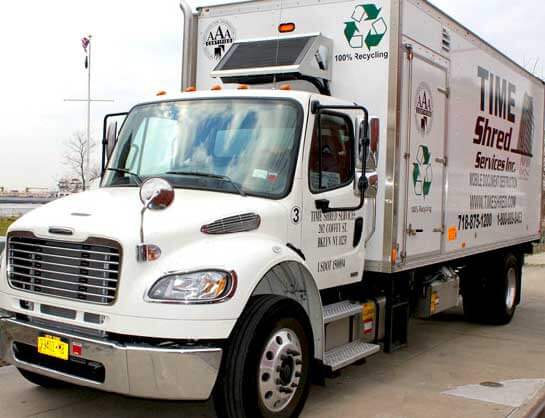
The safest, easiest, and most compliant way to do that is with a professional shredding service like Time Shred Services, where you can watch your documents being destroyed right at your location.
Call to Action
Call Today, Shred Tomorrow.
Speak with a local expert and schedule your shredding service in one simple call—no hidden fees, no hassle, just secure, compliant destruction.
By